


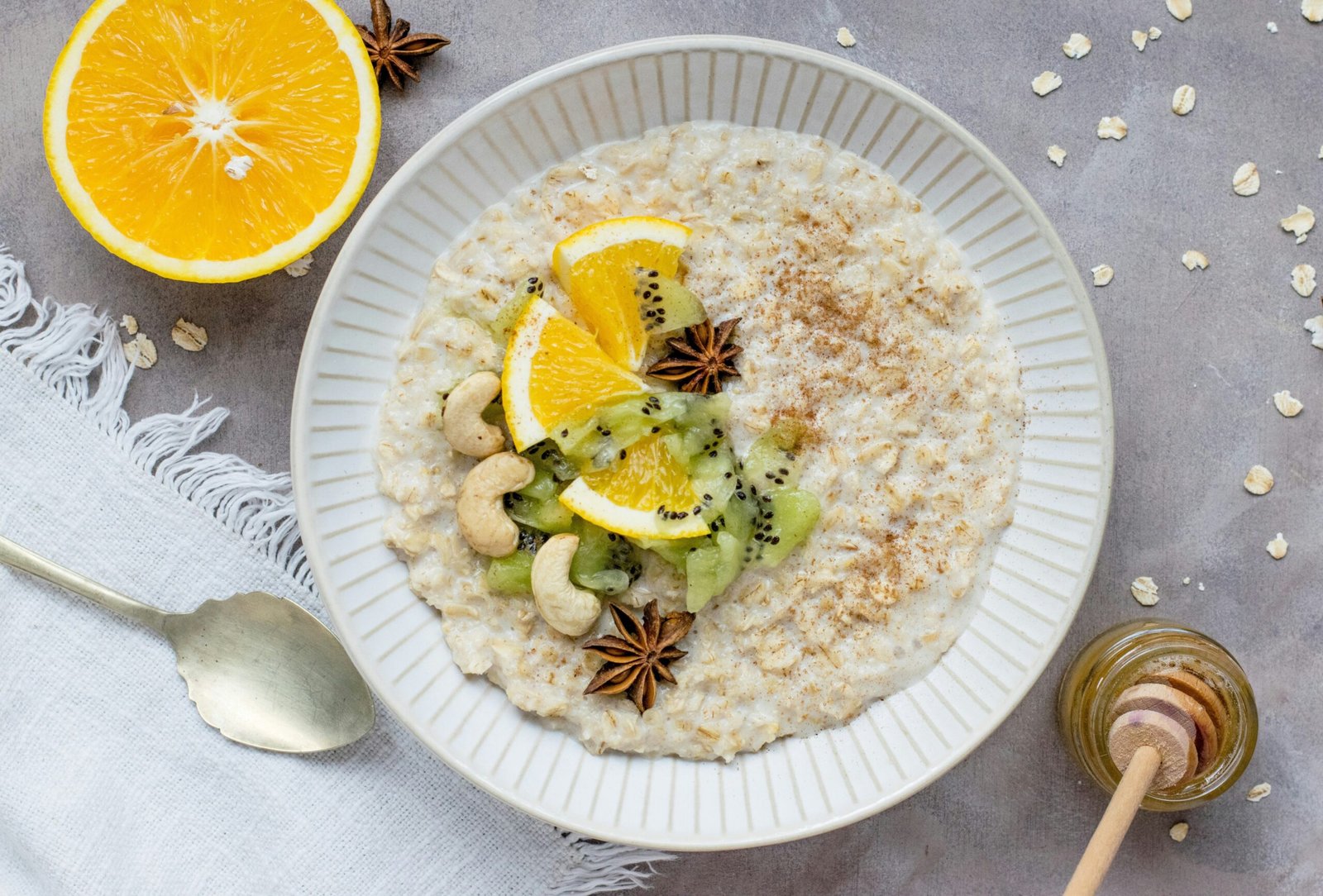
Fibre doesn’t exactly scream excitement. It sounds like something found in a DIY shop, not your dinner plate. And when people talk about getting more fibre, the mental image is often dry bran flakes that taste like, well, cardboard. But here’s the thing: fibre is one of the most important parts of a healthy diet and most of us aren’t getting nearly enough.
Why fibre matters
Fibre is the unsung hero of nutrition. It helps keep your digestion regular (yes, we’re talking about that), feeds the good bacteria in your gut, and supports heart health by helping manage cholesterol. Studies also show a diet rich in fibre can reduce the risk of type 2 diabetes and bowel cancer. That’s a lot of wins from something you barely notice on your plate.
How much fibre do you actually need?
In the UK, adults are recommended to eat about 30 grams of fibre a day. The average? Closer to 18 grams. No wonder so many of us are dealing with sluggish digestion and energy dips.
Easy ways to eat more fibre
The good news: boosting your fibre doesn’t mean suffering through tasteless cereal. High-fibre foods can actually be delicious and cheap. Try:
- Fruit and veg: aim for five-a-day, with skins on where possible (apples, carrots, potatoes).
- Wholegrains: swap white bread, pasta and rice for brown or wholegrain versions.
- Beans, lentils and chickpeas: fibre-rich, versatile, and easy to add to soups, curries or salads.
- Nuts and seeds: sprinkle them on yoghurt or porridge for a fibre boost that also adds crunch.
- Popcorn: air-popped, not sugar-loaded cinema style, makes a surprisingly good high-fibre snack.
Fibre without the fuss
Adding fibre doesn’t need to be all-or-nothing. A few simple swaps each day, brown rice instead of white, an apple instead of juice, beans instead of extra meat, will get you closer to your target without even noticing.
FAQ: fibre made simple
Why is fibre important?
It supports digestion, heart health, stable blood sugar, and reduces the risk of certain diseases.
What are the best high-fibre foods?
Fruit, vegetables, beans, lentils, wholegrains, nuts and seeds.
Can you eat too much fibre?
Yes, too much too quickly can cause bloating. Increase gradually and drink plenty of water.
Do fibre supplements work?
They can help, but food sources are better because they bring along vitamins, minerals and other nutrients.