Your Fat Cells Were Mostly Set in Childhood. Here's Why That Matters
This one stopped me in my tracks
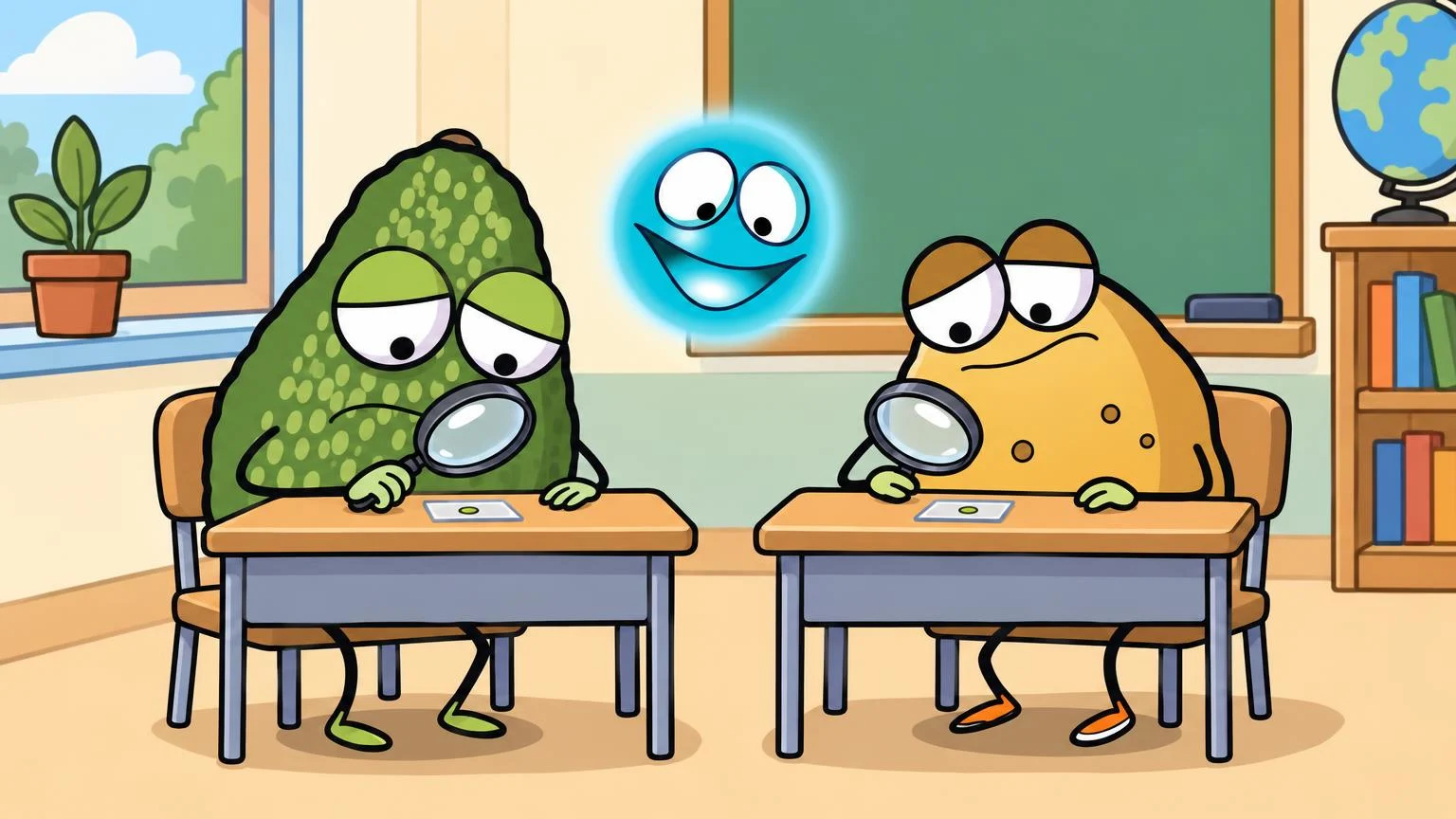
Benjamin Bikman, a metabolic scientist at Brigham Young University who I've been reading a lot lately, posted something that stopped me in my tracks. When adults lose body fat, their fat cells shrink. But the NUMBER of fat cells stays pretty much the same. That number is mostly laid down in childhood and the teenage years. His point, roughly: this is why he cares so much about what kids eat.
Ok...so let me explain this properly, because it matters (and no, it's not a reason to panic about your kids, I promise. Stick with me).
What the scientists found (with nuclear bombs, weirdly)
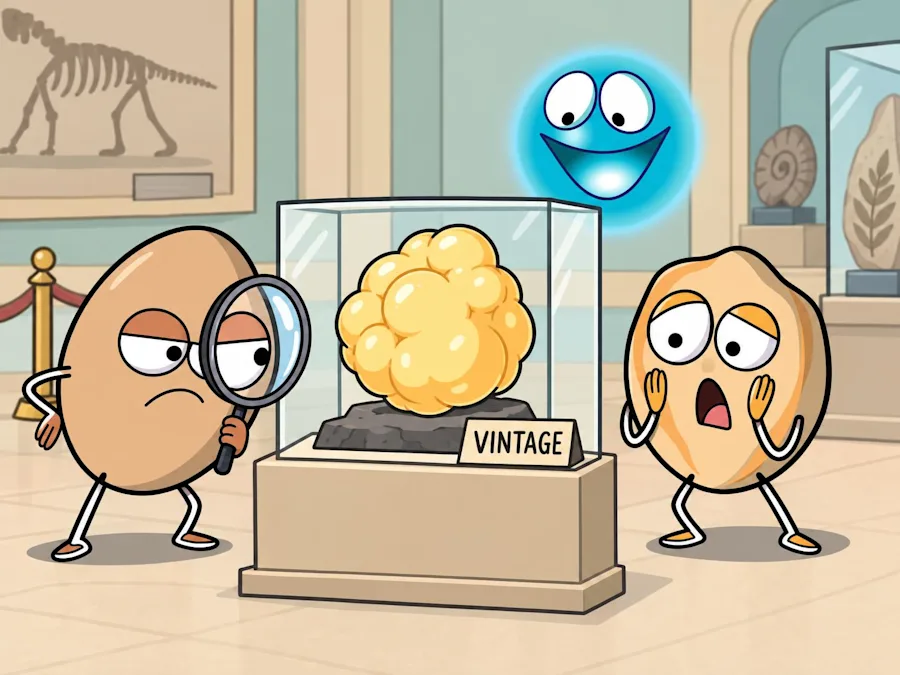
In 2008 a team in Sweden, led by Kirsty Spalding at the Karolinska Institute, published a study in Nature with a genius trick. Nuclear bomb tests in the 1950s and 60s left a spike of carbon-14 in the atmosphere, which ended up in everything that grew back then, including people. By measuring it in fat cells, they could work out how old the cells were, a bit like carbon-dating a fossil. I know. Mad.
Here's what they found:
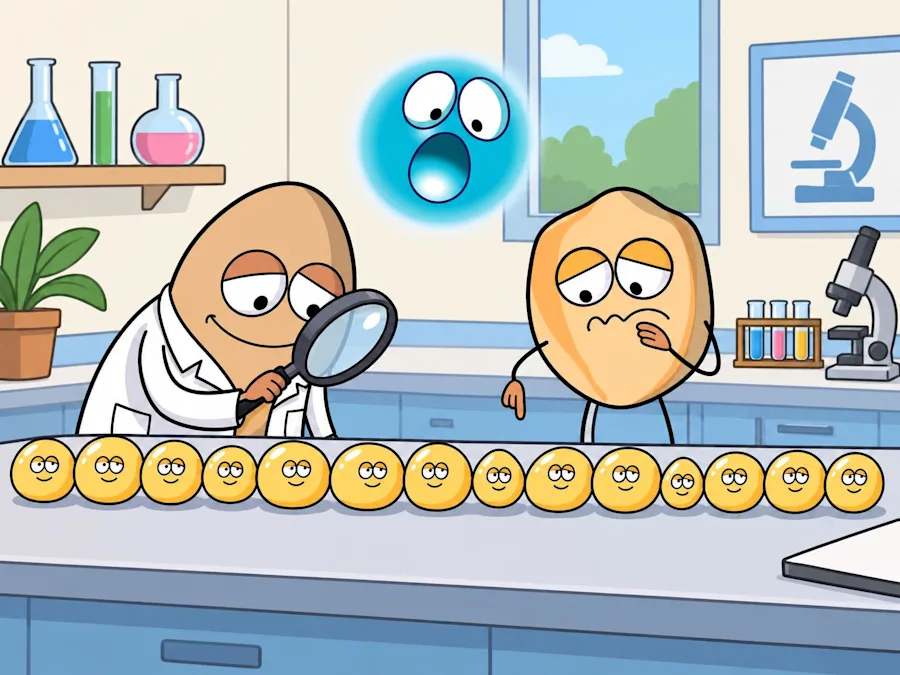
The number of fat cells in an adult stays roughly the same over time, in slimmer people and in heavier people.
That number is largely set during childhood and adolescence and it settles somewhere in the late teens.
About 1 in 10 of your fat cells is replaced every year, but the body keeps the total steady. Think of a football squad that keeps signing new players but never gets any bigger.
People who lost a lot of body fat after gastric bypass surgery ended up with smaller fat cells, not fewer of them.
So in adulthood, fat cells mostly change size, not number. Kinda wild.
(Quick but important bit: this doesn't mean any child is "doomed" or anything like that. Bodies are complicated and people aren't numbers. A 2010 Mayo Clinic study found adults can still add some new fat cells, especially around the hips and thighs and people differ a lot: some store fat in lots of small cells, some in fewer big ones and genes play a big part. This is a picture of how things usually go, not a verdict on anyone.)
Fat cells aren't the villain. Overstuffed ones are
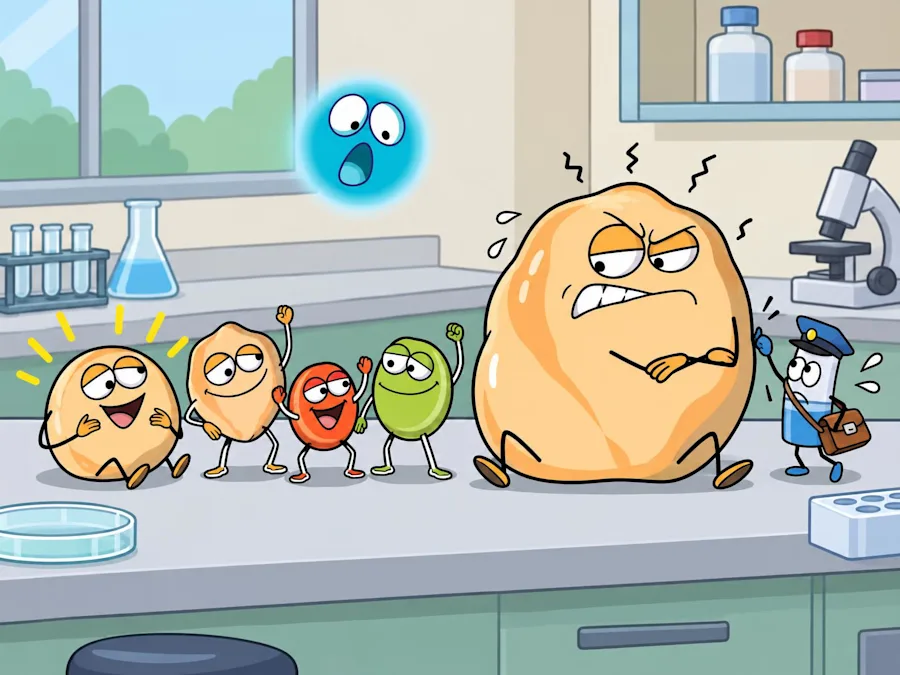
Fat cells get a terrible press, but they do a really important job. They store energy safely, so it isn't floating around your blood or getting shoved into places it shouldn't be, like your liver. The trouble starts, as Bikman puts it, when they get stuffed too full. A fat cell stretched to bursting point starts to struggle: it stops listening to insulin properly and starts sending out inflammatory signals (we'll go deeper on where that leads in a later post).
Here's the bit I find fascinating. A 2014 Swedish study followed 62 women for 2 years after gastric bypass surgery. Their fat cells shrank and the number didn't change. The smaller their fat cells got, the better their bodies responded to insulin. More closely, in fact, than with how much fat they'd lost overall. Smaller fat cells really do seem to be happier, healthier fat cells.
Insulin, btw, is the hormone that rises after we eat and tells fat cells to store. We got into insulin and cortisol in the stress belt if you fancy the deep dive (that's a mouthful of a title isn't it lol).
Why this makes what kids eat such a big deal
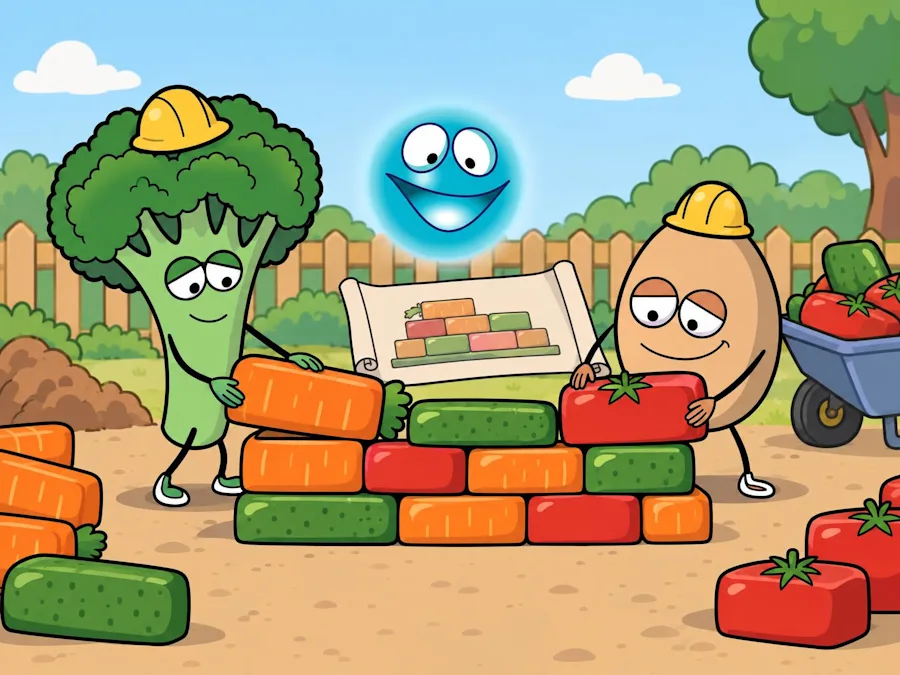
Childhood is construction time. Bones, brains, taste buds...and, it turns out, a big chunk of the body's fat cell setup. Now, to be ultra clear: no study has shown that a particular childhood diet "sets" a child's fat cells. That bit is Bikman's opinion and genes clearly matter. But here's what I take from it. The years a child's fat cell number is being laid down are the SAME years their food habits are forming. The UC ANR Healthy Happy Families team puts it bluntly: eating habits are largely set during childhood.
That's a reason to care about the family routine, not a reason to turn into the food police. Restriction, calorie talk and putting kids on diets do far more harm than good, so please don't. Kids need plenty of food to grow. It's about making real food the easy, normal, everyday choice in your house while they're little and leaving loads of room for birthday cake. 80/20, like we said in what is real food.
What that looks like in real life:
Make real food the default, not the reward. Fruit, veg, eggs, yoghurt, proper dinners. Not as a deal for good behaviour, just what's in the house.
Make water and milk the everyday drinks. Honestly one of the simplest habits to build early and it adds up over years.
Eat together when you can. Kids copy what they see far more than what they're told.
Never talk about bodies at the table. Talk about food that gives you energy, makes you strong and tastes great. Keep weight out of it completely.
Get moving together. The NHS says children should average at least an hour of activity a day and running, jumping and climbing all count. A kickabout counts. So does a trampoline.
If you're ever worried about your child's growth or weight, talk to your GP, health visitor or school nurse, not Dr Google (or me).
Where Tucki fits in
Tucki plans the week around real food for the whole family, with everyone's daily targets based on UK guidance for their age and keeps an eye on how much ultra-processed food is creeping in (the aim is under 20%). He never puts anyone on a diet and he'll never talk to your kids about their weight. Tucki's Academy has short guides for kids, taught by the Good Food Family, so they learn why food matters without another lecture from you.
Fat cells: mostly set in childhood, kept for life. If you'd like a hand building good food habits while they're little, download Tucki. He's a big believer in starting early.
Keep reading
How to Actually Cook Dinner When You're Already Done for the Day
You know plenty of quick recipes. The problem isn't information. It's that your brain is offline by 6pm and the friction between you and dinner feels insurmountable.
What Is Inflammation and How Does Food Actually Help (Or Make It Worse)?
Inflammation sounds scary, but it's actually your body's alarm system. The problem? Most of us have left the alarm ringing for years. Here's what's really happening and how real food can turn the volume down.
What Actually Connects Food and Mood? The Metabolic Biology You Might Like to Know
Beyond serotonin and willpower lies a simpler truth: your brain runs on energy and the food you eat either fuels or sabotages the cellular machinery keeping your mind stable.