LDL vs HDL Cholesterol: What Parents Actually Need to Know
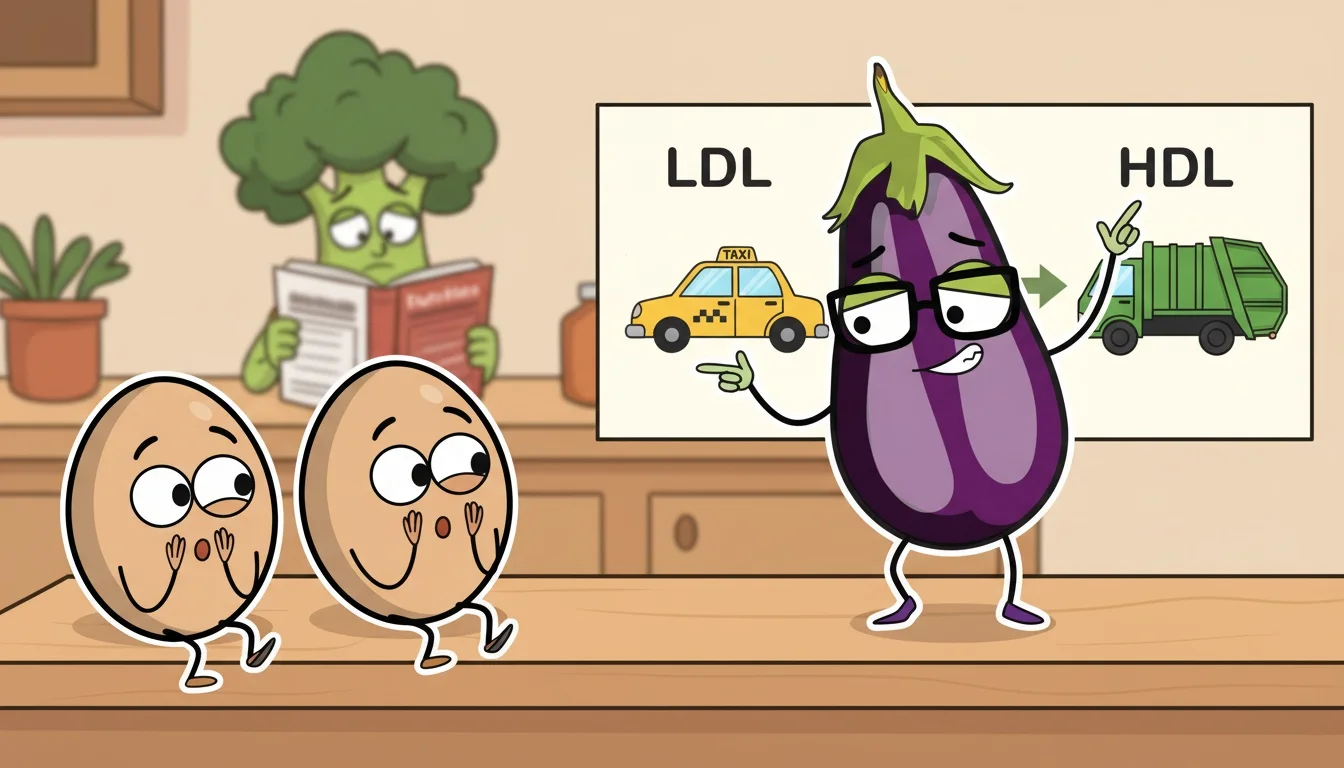
The Delivery Truck and the Cleanup Crew
You've probably heard your GP mention cholesterol numbers during a check-up, nodded along, and then immediately forgotten which one you're supposed to worry about. LDL, HDL, good, bad... it all blurs together when you're juggling school runs and trying to remember if you defrosted anything for dinner.
Here's the straightforward version: cholesterol is a fatty substance your body absolutely needs for building cells, making hormones, and producing vitamin D. The catch is, it can't move through your blood on its own. So it hitches a ride inside carriers called lipoproteins. Think of them as different types of vehicles moving cholesterol around your body.
LDL (low-density lipoprotein) works like a delivery truck. It carries cholesterol from your liver out to your body, dropping it off where it's needed. The problem starts when there's too much LDL rolling around. Extra cholesterol gets left behind in artery walls, and over time that buildup forms plaque. Plaque narrows the arteries and raises the risk of heart problems. That's why LDL gets labelled as bad cholesterol.
HDL (high-density lipoprotein) is more like a cleanup crew. Picture a garbage truck picking up excess cholesterol from your blood and artery walls, then hauling it back to the liver for removal. Simple idea: LDL delivers, HDL clears. Balance between the two helps protect your heart and blood vessels.
What This Means for Real Family Life
Now, here's where it gets relevant to the chaos of feeding a household. The food your family eats directly affects this balance, but not in the scary, restrictive way diet culture wants you to believe.
Processed foods are engineered to override your body's natural hunger and fullness signals. They strip out fibre, which normally triggers satiety hormones like CCK that tell your brain you've had enough. Without that brake system, it's easier to overeat foods that spike blood sugar and flood your system with the wrong kinds of fats. Fructose, the sugar hiding in everything from juice to ready meals, gets metabolised differently than glucose. It drives fat production in the liver, raising triglycerides even when total calories stay the same. A study in children swapped fructose for glucose without reducing calories and saw liver fat and triglycerides plummet. It's not just about eating less. It's about eating real.
Fibre is critical here. It slows glucose absorption, feeds your gut microbiome, and helps your body process cholesterol properly. But most families don't eat nearly enough because the convenient stuff has had it stripped out.
The Behaviour Gap Nobody Talks About
You already know vegetables are good and takeaways every night aren't ideal. The issue isn't information. It's that sustainable behaviour is hard when you're exhausted, overwhelmed, and just trying to get everyone fed before bedtime meltdowns kick in.
This is where habits matter more than perfection. Start with one family meal a week if you're not doing them now. Most families report actually enjoying it once they try. Involve kids in prep and cooking so they're more invested in what's on the table. Remove friction: phones off, TV off, no distractions. How you feed matters more than what you feed. Simple food with presence beats gourmet with everyone scrolling.
Parents must model the behaviour they want to see. Kids who do chores become more self-reliant, harder workers, and more empathetic. The same applies to food. Let them see you choosing real ingredients, cooking at home more often, and eating together. Division of responsibility works: you offer safe food on a schedule, they decide whether and how much to eat. No shortcuts, no bribes, no battles.
Building Habits That Actually Stick
Balancing LDL and HDL cholesterol isn't about obsessing over numbers or banning entire food groups. It's about building sustainable routines around real food cooked at home more often. Reduce the processed stuff that hijacks your hunger signals and messes with your metabolic health. Add fibre through vegetables, whole grains, and fruit. Slow down at mealtimes even if prep was rushed. The time together is the actual point.
Tucki helps families close the gap between knowing what to eat and actually doing it. It's a behaviour change engine, not another app telling you what's good or bad. Because the truth is, you already know. You just need support to make it happen in real life, with all the mess and imperfection that comes with feeding a household.
Small, repeated actions build the mental muscle that makes the next healthy choice slightly easier. Every time you cook at home instead of ordering in, every time you sit down together without screens, you're strengthening the habits that protect your family's health for the long run. That's what matters.